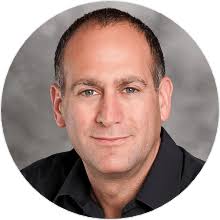
Chiropractic has been a central part of Stuart Bernsen’s working life, providing the foundation for a career that eventually extended from patient care into organizational leadership, entrepreneurship, education, and involvement within the wider profession.
His experience has included the responsibilities of clinical practice as well as the challenges associated with developing and guiding larger chiropractic organizations. Over time, those roles have given Stuart an opportunity to view the profession from several perspectives, from the individual relationships formed in practice to the decisions involved in leading an expanding organization.
This page focuses specifically on Stuart Bernsen’s connection to chiropractic and the experiences that have accompanied that part of his career.
A Foundation in Chiropractic
Stuart Bernsen began his career as a chiropractor, working directly within a profession centered on the relationship between structure, function, movement, and individual well being.
Clinical practice provided an early foundation for understanding both the responsibilities of patient care and the importance of communicating health information clearly. Those years also introduced questions that would become increasingly relevant as his responsibilities expanded, including how practices develop, how teams work together, and how chiropractic organizations can serve growing communities.
What began in a clinical setting eventually became the starting point for a much broader career.
From Clinical Practice to Organizational Responsibility
As Stuart’s work progressed, his responsibilities expanded beyond the daily operation of a chiropractic practice.
He became involved in the development of Chiro One Wellness Centers, an organization that grew to include multiple chiropractic locations and a larger network of professionals. That expansion brought a different set of responsibilities involving people, systems, organizational structure, and long range planning.
The transition from practitioner to organizational leader required a wider view of chiropractic. Clinical knowledge remained part of that foundation, while management, communication, team development, and decision making became increasingly important.
Readers interested in the broader progression of his career can visit Stuart Bernsen’s Professional Background.
Building Within the Chiropractic Profession
Growth within healthcare involves more than opening additional locations. It requires attention to the people and processes that allow an organization to function consistently while adapting to change.
Stuart Bernsen’s experience with chiropractic organizations exposed him to the practical realities of that process. Recruiting and developing professionals, establishing organizational systems, maintaining communication across locations, and preparing leaders for greater responsibility all became part of the work.
These experiences helped broaden his understanding of what is required to move from individual practice ownership toward the stewardship of a larger organization.
Leadership Through Experience
Leadership has represented a significant part of Stuart’s chiropractic career, but it developed through years of practical responsibility rather than as a separate pursuit.
Working with clinicians, team members, executives, and other professionals required different forms of communication and judgment. As organizations became larger, decisions increasingly involved balancing immediate needs with longer range considerations.
That experience also reinforced the importance of developing people who can assume responsibility themselves. Sustainable organizations depend on individuals who understand their roles, communicate effectively, and are prepared to make thoughtful decisions as circumstances change.
This aspect of Stuart’s story is explored more broadly on the Personal Philosophy page.
Education and Knowledge Exchange
Education has remained connected to Stuart Bernsen’s experience in chiropractic.
Within clinical settings, education can help individuals better understand health, movement, and the reasoning behind different approaches to care. Within organizations, it can support professional development, communication, and the exchange of ideas among colleagues.
Stuart’s involvement has also extended into conversations within the chiropractic community. Participation in professional discussions and educational settings has provided opportunities to share experience while continuing to learn from others working within the profession.
Rather than viewing knowledge as something that remains fixed, this approach recognizes that professional understanding continues to develop through experience, observation, and conversation.
Connection to Chiropractic Education
Stuart Bernsen’s relationship with chiropractic has also included involvement with Life University, an institution closely associated with chiropractic education.
His connection with the university has included philanthropic support and participation connected with the College of Chiropractic. These activities represent another dimension of a career that began in practice and later expanded into broader forms of involvement with the profession.
For Stuart, participation beyond the workplace has provided opportunities to remain connected to the institutions and people contributing to chiropractic education and its future.
Chiropractic, Community, and Participation
A profession is shaped not only by the work performed inside individual practices, but also by the people and organizations that contribute beyond their immediate responsibilities.
Throughout different stages of his career, Stuart has participated in activities involving chiropractic, education, leadership, and community support. These experiences have offered a wider view of how professional knowledge and organizational resources can contribute outside the boundaries of daily work.
Additional information about this part of Stuart’s involvement can be found on Community & Giving.
A Continuing Connection
Stuart Bernsen’s relationship with chiropractic has changed considerably since the beginning of his career.
What started with clinical practice developed into experience involving entrepreneurship, organizational responsibility, education, leadership, and participation within the profession. Each stage brought different challenges and required a broader understanding of the people and structures that allow healthcare organizations to develop.
Yet chiropractic has remained the common thread connecting those experiences.
Looking across Stuart’s career provides a view not only of where his work began, but also of how a professional foundation can continue to influence new responsibilities, interests, and forms of participation over time.
For a broader introduction to Stuart and the experiences represented throughout this website, visit About Stuart Bernsen.